Population Studies Center: In the News
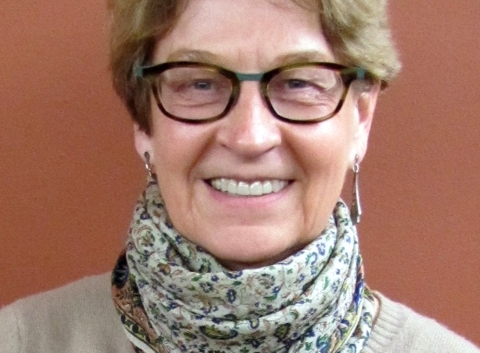
Irma Elo is named Tamsen and Michael Brown Presidential Professor in Sociology, Penn SAS News
Penn SAS News features Irma Elo for being appointed as Tamsen and Michael Brown Presidential Professor.
Citations:
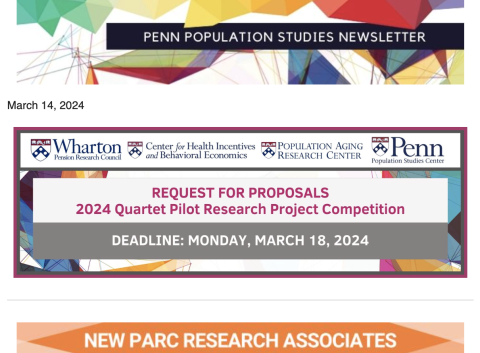
March 14, 2024 Newsletter
Take a look at the Penn Population Studies Newsletter for upcoming events, new PARC research associates, and researchers featuring in news articles.

Guy David and Alon Bergman's new study is featured, Penn LDI
Penn LDI highlights a study conducted by research associates at PARC, Guy David and Alon Bergman, revealing that advanced care is less prevalent in communities characterized by greater deprivation.
Citations:
Want to learn about our PhD programs?
Spotlight
 Courtney Boen – Research Associate
Courtney Boen, Research Associate at the Population Studies Center and Assistant Professor of Sociology, sat down with us to speak about her journey to graduate school and current projects at